
If you’re comparing energy options for your home, farm, or business, propane often comes up alongside electricity, natural gas, and heating oil. If you’re curious about propane, you may have already asked yourself, “How does propane compare to other energy sources?” The short answer: propane is a flexible, high-efficiency fuel that performs well across a wide range of applications, especially in areas where natural gas isn’t available. It offers strong energy output, dependable delivery, and versatility—while still competing well on cost and environmental impact depending on how it’s used.
Understanding how propane stacks up in real-world situations can help you make a more confident decision.

How Is Propane Used?
Propane is a clean-burning fuel stored as a liquid and used as a gas. It’s commonly delivered to a storage tank on your property, making it a reliable option even in rural areas without access to utility lines.
In Central Illinois, propane is often used for:
- Home heating systems and furnaces
- Water heaters and cooking appliances
- Agricultural operations like grain drying
- Commercial equipment and backup power
Because it’s portable and storable, propane gives homeowners and businesses more control over their energy supply.
Comparing Propane to Other Energy Sources
When evaluating propane against other fuels, it helps to look at a few key factors: cost, efficiency, reliability, environmental impact, and versatility.
Cost Efficiency: How Does Propane Compare?
Energy costs can vary based on market conditions, usage, and system efficiency, but propane often holds its own—especially when paired with efficient equipment.
- Propane vs. Electricity: Propane appliances (like water heaters or furnaces) often operate more efficiently, which can lower long-term operating costs. Electricity can be more expensive for high-demand heating needs.
- Propane vs. Natural Gas: Natural gas is often less expensive per unit, but it’s not available everywhere. Propane becomes a practical alternative where gas lines aren’t accessible.
- Propane vs. Heating Oil: Propane typically burns cleaner and more efficiently, which can reduce maintenance costs and improve system longevity.
For many households and farms, propane’s ability to balance efficiency and availability makes it a strong option.
Energy Output: Understanding BTU Performance
One of propane’s biggest advantages is its energy density.
- Propane produces approximately 91,500 BTUs per gallon
- Heating oil produces about 138,500 BTUs per gallon
- Electricity is measured differently, but often requires more energy input to achieve the same heating output
While heating oil has a higher BTU per gallon, propane appliances tend to run more efficiently, meaning more of that energy is actually used.
In real terms, this means:
- Faster heating response in homes
- Efficient operation for equipment and appliances
- Reliable performance during peak demand seasons
Environmental Impact: A Cleaner-Burning Option
Environmental impact is an important consideration for many property owners today. How does propane compare as it burns?
- Propane: Burns cleanly with lower carbon emissions than heating oil and coal-based electricity
- Electricity: Can be clean, but depends heavily on how it’s generated (coal, natural gas, renewables)
- Heating Oil: Produces higher emissions and requires more maintenance due to residue buildup
- Natural Gas: Similar to propane in emissions but requires infrastructure that isn’t always available
Propane’s clean-burning properties make it a practical choice for those looking to reduce their environmental footprint without sacrificing performance.
Reliability and Availability
In areas like Central Illinois, reliability matters—especially during cold winters or peak usage times.
- Propane: Stored on-site, meaning you’re not dependent on utility lines
- Electricity: Vulnerable to outages during storms or grid issues
- Natural Gas: Reliable where available, but limited by infrastructure
- Heating Oil: Requires delivery similar to propane but with more maintenance concerns
With propane, especially when paired with automatic tank monitoring and scheduled deliveries, you gain a level of consistency that many other energy sources can’t match.
Versatility Across Applications
How does propane compare in its usage? One of propane’s strongest advantages is how many ways it can be used.
- Heating homes and buildings
- Powering appliances like stoves, dryers, and water heaters
- Supporting agricultural operations (grain drying, equipment)
- Serving as a backup energy source during outages
Compared to electricity or heating oil, propane offers a broader range of applications, making it a flexible solution for both residential and commercial use.
Real-World Scenarios Where Propane Makes Sense
To put this into perspective, here are a few common situations where propane is often a practical choice:
- Rural homes without natural gas access: Propane provides consistent heating without relying on utility infrastructure
- Farms and agricultural operations: Propane supports grain drying and equipment use efficiently
- Backup power planning: Propane generators offer reliable energy during outages
- Homeowners looking for efficiency: Propane appliances often heat faster and use less energy over time
A Local Perspective on Energy in Central Illinois
In Peoria, Tazewell, Woodford, and McLean Counties, energy needs can vary widely—from residential heating to large-scale agricultural operations. Propane continues to be a dependable option because it adapts to these different needs while offering consistent performance.
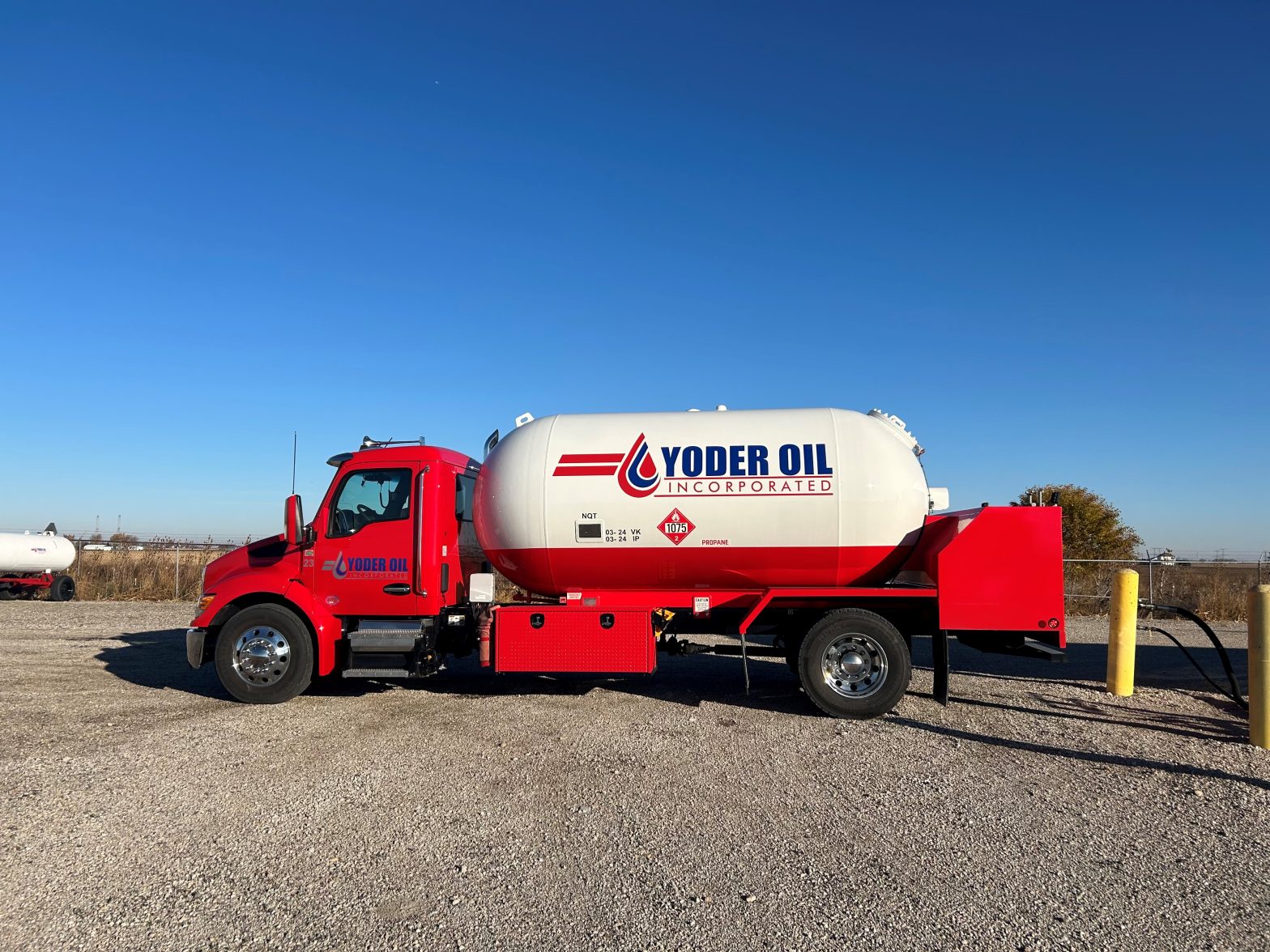
Working with a local, family-owned provider like Yoder Oil—serving the area since 1974—also adds an extra layer of reliability. With services like propane delivery, tank installation, and automated monitoring, managing your energy supply becomes simpler and more predictable.
Frequently Asked Questions
Is propane cheaper than electricity?
In many cases, propane appliances operate more efficiently than electric ones, which can lead to lower overall energy costs—especially for heating.
Can propane be used if I don’t have access to natural gas?
Yes, propane is commonly used in areas without natural gas infrastructure because it’s delivered and stored on-site.
Is propane environmentally friendly?
Propane burns cleaner than heating oil and produces fewer emissions, making it a lower-impact option compared to some traditional fuels.
How reliable is propane during power outages?
Propane remains available during outages since it’s stored on your property, and it can also power backup generators for continued energy access.
Final Thoughts: Is Propane the Right Choice?
There’s no one-size-fits-all answer when comparing energy sources. Electricity, natural gas, and heating oil each have their place. However, propane stands out for its balance of efficiency, reliability, and versatility — especially in areas where infrastructure or consistency is a concern.
If you’re weighing your options, taking the time to understand how each energy source performs in real-world conditions can help you choose what works best for your property and long-term needs.
If you’re in Illinois researching the topic, “How does propane compare to other energy sources,” contact Yoder Oil at 309-467-2218 to discuss your options.