Is Propane Safe to Use? Answers For Your Burning Energy Questions

Is Propane Safe to Use? Answers For Your Burning Energy Questions

If you’re thinking about making a switch to propane, it’s wise to research this fuel so you better understand what you’re getting into. It’s why searching for answers to “Is propane safe to use” is so important. Fortunately, the answer is straightforward.

Yes, propane is safe to use when it’s properly handled, installed, and maintained. In fact, it’s one of the most widely used fuels for homes, farms, and businesses across the country. Modern propane systems are built with multiple layers of safety, and when paired with professional installation and regular service, they provide dependable energy with a strong safety record.

If you’re considering propane or already using it, understanding how it works—and how safety is built into the system—can help you feel confident using it every day.

Why Propane Is Considered a Safe Energy Source

For those curious about is propane safe to use, it’s important to know that propane isn’t just commonly used. It’s also highly regulated and carefully monitored across the industry. From production to delivery to usage, strict standards are in place to ensure safety.

Key reasons propane is considered safe include:

  • National safety regulations: The propane industry follows guidelines from organizations like the National Fire Protection Association (NFPA)
  • Built-in system protections: Tanks, valves, and appliances are designed with safety shutoffs and pressure controls
  • Professional handling: Licensed technicians manage installation, maintenance, and delivery

For homeowners and businesses in Central Illinois, working with an experienced provider helps ensure these standards are consistently met.

Built-In Safety Features You Should Know

Propane systems are designed to make safety straightforward and easy to manage.

  • Odor Additives for Leak Detection: Propane is naturally odorless, but a harmless chemical is added to give it a distinct “rotten egg” smell. This makes leaks easy to detect quickly.
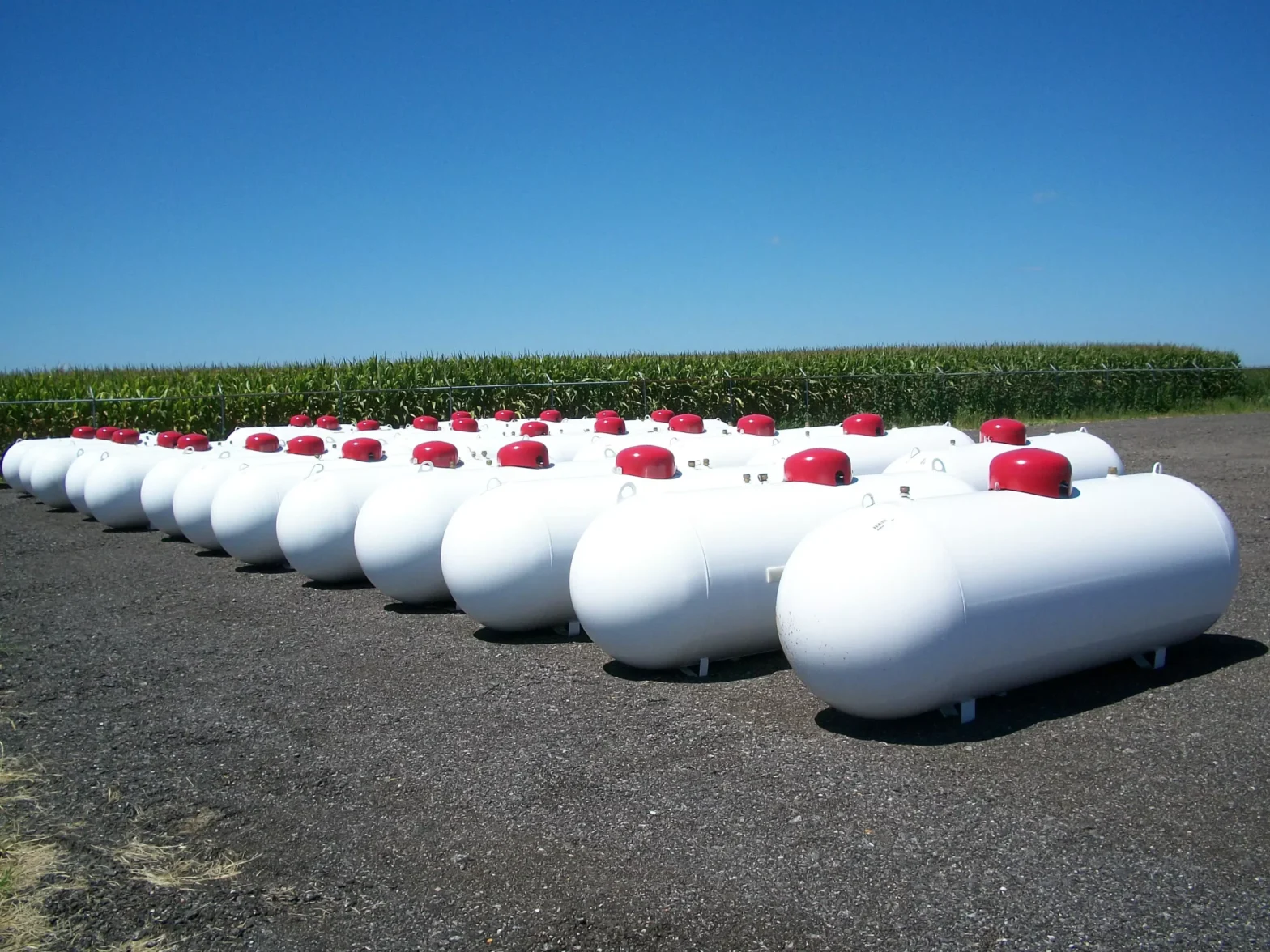
  • Secure Tank Design: Propane tanks are built to withstand weather, pressure changes, and long-term outdoor storage. They include safety valves that regulate pressure and prevent overfilling.
  • Automatic Shutoff Mechanisms: Modern systems include valves that can stop the flow of propane if a line is damaged or a leak is detected.

These features work together to make propane systems both reliable and user-friendly.

A man grabs a tank of propane after getting answers to "Is Propane safe to use"

Safe Tank Storage and Handling Practices

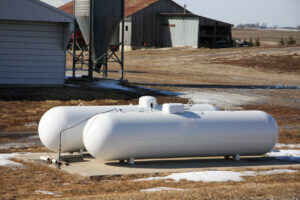
If your tank is above ground or it’s underground, proper placement and care are key to maintaining safety.

Basic safety practices include:

  • Keeping the tank area clear of debris and flammable materials
  • Ensuring proper distance from structures and ignition sources
  • Avoiding tampering with valves or fittings
  • Scheduling professional inspections when needed

Yoder Oil provides guidance on safe tank placement and handles installations to ensure everything is set up correctly from the start.

Common Propane Safety Myths vs. Facts

There’s a reason you may be asking, “Is Propane Safe to Use?” There’s a lot of misinformation about propane. Let’s clear up a few common concerns.

Myth: Propane is more dangerous than other fuels
Fact: When handled properly, propane is just as safe as other common energy sources and often includes more built-in safety features

Myth: You won’t know if there’s a propane leak
Fact: The added odor makes leaks easy to detect early

Myth: Propane tanks are likely to explode
Fact: Tanks are heavily regulated, pressure-tested, and designed with safety valves to prevent this

Understanding these facts can help remove unnecessary concern and focus on practical safety habits.

What to Do If You Smell Propane

If you ever notice the distinct odor of propane, it’s important to act quickly—but calmly.

Here’s what to do:

  1. Leave the area immediately
  2. Avoid using electrical switches, phones, or anything that could create a spark
  3. Shut off the gas supply if it’s safe to do so
  4. Call your propane provider or emergency services from a safe distance

Yoder Oil encourages customers to reach out right away if they have any concerns. Quick response and clear communication are key to resolving issues safely.

Safe Usage Tips for Homes and Businesses

Is propane safe to use? As long as you use it with care. Using propane safely doesn’t require complicated steps—just consistent, practical habits.

  • Schedule regular system inspections
  • Keep vents and exhaust areas clear
  • Install propane detectors if recommended
  • Use appliances as intended and avoid DIY modifications
  • Monitor tank levels to avoid running out unexpectedly

For many customers, automated tank monitoring and scheduled delivery services make managing propane even easier and more predictable.

Why Professional Installation and Maintenance Matter

One of the most important factors in propane safety is working with trained professionals. Proper installation ensures that tanks, lines, and appliances are set up correctly and meet all safety standards.

Ongoing maintenance also helps:

  • Identify small issues before they become bigger problems
  • Ensure systems are operating efficiently
  • Maintain long-term safety and performance

Yoder Oil has been serving Central Illinois since 1974, providing dependable propane delivery, tank installation, and system support. That experience translates into a careful, safety-first approach on every job.

Frequently Asked Questions

Is propane safe to use in homes?

Yes. Propane is widely used for home heating, cooking, and appliances, and is considered safe when systems are properly installed and maintained.

How can I tell if there’s a propane leak?

Propane has a strong odor added to it, often compared to rotten eggs, which makes leaks easy to detect.

Do propane tanks require regular maintenance?

While tanks themselves are durable, it’s important to have your system inspected periodically to ensure everything is functioning safely.

Who should I contact if I have a propane safety concern?

You should contact your propane provider immediately. If there’s a strong odor or emergency situation, leave the area and call for help from a safe location.
Is propane safe to use?

A Reliable Energy Source You Can Feel Confident Using

For many homeowners, farmers, and businesses, propane offers a combination of efficiency, flexibility, and dependability. Is propane safe to use? When used correctly, it’s a safe and practical energy solution that supports everyday needs—from heating to cooking to equipment operation.

Working with a trusted, local provider helps make propane management simple, with reliable delivery and support when you need it. Get in touch with Yoder Oil at 309-467-2218 to learn more.
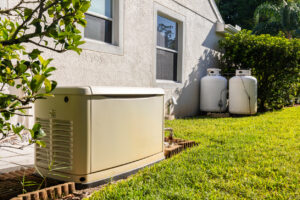
How Does Propane Compare to Other Energy Sources?

If you’re comparing energy options for your home, farm, or business, propane often comes up alongside electricity, natural gas, and heating oil. If you’re curious about propane, you may have already asked yourself, “How does propane compare to other energy sources?” The short answer: propane is a flexible, high-efficiency fuel that performs well across a wide range of applications, especially in areas where natural gas isn’t available. It offers strong energy output, dependable delivery, and versatility—while still competing well on cost and environmental impact depending on how it’s used.

Understanding how propane stacks up in real-world situations can help you make a more confident decision.

How Does Propane Compare to Other Energy Sources

How Is Propane Used?

Propane is a clean-burning fuel stored as a liquid and used as a gas. It’s commonly delivered to a storage tank on your property, making it a reliable option even in rural areas without access to utility lines.

In Central Illinois, propane is often used for:

  • Home heating systems and furnaces
  • Water heaters and cooking appliances
  • Agricultural operations like grain drying
  • Commercial equipment and backup power

Because it’s portable and storable, propane gives homeowners and businesses more control over their energy supply.

Comparing Propane to Other Energy Sources

When evaluating propane against other fuels, it helps to look at a few key factors: cost, efficiency, reliability, environmental impact, and versatility.

Cost Efficiency: How Does Propane Compare?

Energy costs can vary based on market conditions, usage, and system efficiency, but propane often holds its own—especially when paired with efficient equipment.

  • Propane vs. Electricity: Propane appliances (like water heaters or furnaces) often operate more efficiently, which can lower long-term operating costs. Electricity can be more expensive for high-demand heating needs.
  • Propane vs. Natural Gas: Natural gas is often less expensive per unit, but it’s not available everywhere. Propane becomes a practical alternative where gas lines aren’t accessible.
  • Propane vs. Heating Oil: Propane typically burns cleaner and more efficiently, which can reduce maintenance costs and improve system longevity.

For many households and farms, propane’s ability to balance efficiency and availability makes it a strong option.

Energy Output: Understanding BTU Performance

One of propane’s biggest advantages is its energy density.

  • Propane produces approximately 91,500 BTUs per gallon
  • Heating oil produces about 138,500 BTUs per gallon
  • Electricity is measured differently, but often requires more energy input to achieve the same heating output

While heating oil has a higher BTU per gallon, propane appliances tend to run more efficiently, meaning more of that energy is actually used.

In real terms, this means:

  • Faster heating response in homes
  • Efficient operation for equipment and appliances
  • Reliable performance during peak demand seasons

Environmental Impact: A Cleaner-Burning Option

Environmental impact is an important consideration for many property owners today. How does propane compare as it burns?

  • Propane: Burns cleanly with lower carbon emissions than heating oil and coal-based electricity
  • Electricity: Can be clean, but depends heavily on how it’s generated (coal, natural gas, renewables)
  • Heating Oil: Produces higher emissions and requires more maintenance due to residue buildup
  • Natural Gas: Similar to propane in emissions but requires infrastructure that isn’t always available

Propane’s clean-burning properties make it a practical choice for those looking to reduce their environmental footprint without sacrificing performance.

Reliability and Availability

In areas like Central Illinois, reliability matters—especially during cold winters or peak usage times.

  • Propane: Stored on-site, meaning you’re not dependent on utility lines
  • Electricity: Vulnerable to outages during storms or grid issues
  • Natural Gas: Reliable where available, but limited by infrastructure
  • Heating Oil: Requires delivery similar to propane but with more maintenance concerns

With propane, especially when paired with automatic tank monitoring and scheduled deliveries, you gain a level of consistency that many other energy sources can’t match.

Versatility Across Applications

How does propane compare in its usage? One of propane’s strongest advantages is how many ways it can be used.

  • Heating homes and buildings
  • Powering appliances like stoves, dryers, and water heaters
  • Supporting agricultural operations (grain drying, equipment)
  • Serving as a backup energy source during outages

Compared to electricity or heating oil, propane offers a broader range of applications, making it a flexible solution for both residential and commercial use.

Real-World Scenarios Where Propane Makes Sense

To put this into perspective, here are a few common situations where propane is often a practical choice:

A Local Perspective on Energy in Central Illinois

In Peoria, Tazewell, Woodford, and McLean Counties, energy needs can vary widely—from residential heating to large-scale agricultural operations. Propane continues to be a dependable option because it adapts to these different needs while offering consistent performance.

Working with a local, family-owned provider like Yoder Oil—serving the area since 1974—also adds an extra layer of reliability. With services like propane delivery, tank installation, and automated monitoring, managing your energy supply becomes simpler and more predictable.

Frequently Asked Questions

Is propane cheaper than electricity?

In many cases, propane appliances operate more efficiently than electric ones, which can lead to lower overall energy costs—especially for heating.

Can propane be used if I don’t have access to natural gas?

Yes, propane is commonly used in areas without natural gas infrastructure because it’s delivered and stored on-site.

Is propane environmentally friendly?

Propane burns cleaner than heating oil and produces fewer emissions, making it a lower-impact option compared to some traditional fuels.

How reliable is propane during power outages?

Propane remains available during outages since it’s stored on your property, and it can also power backup generators for continued energy access.

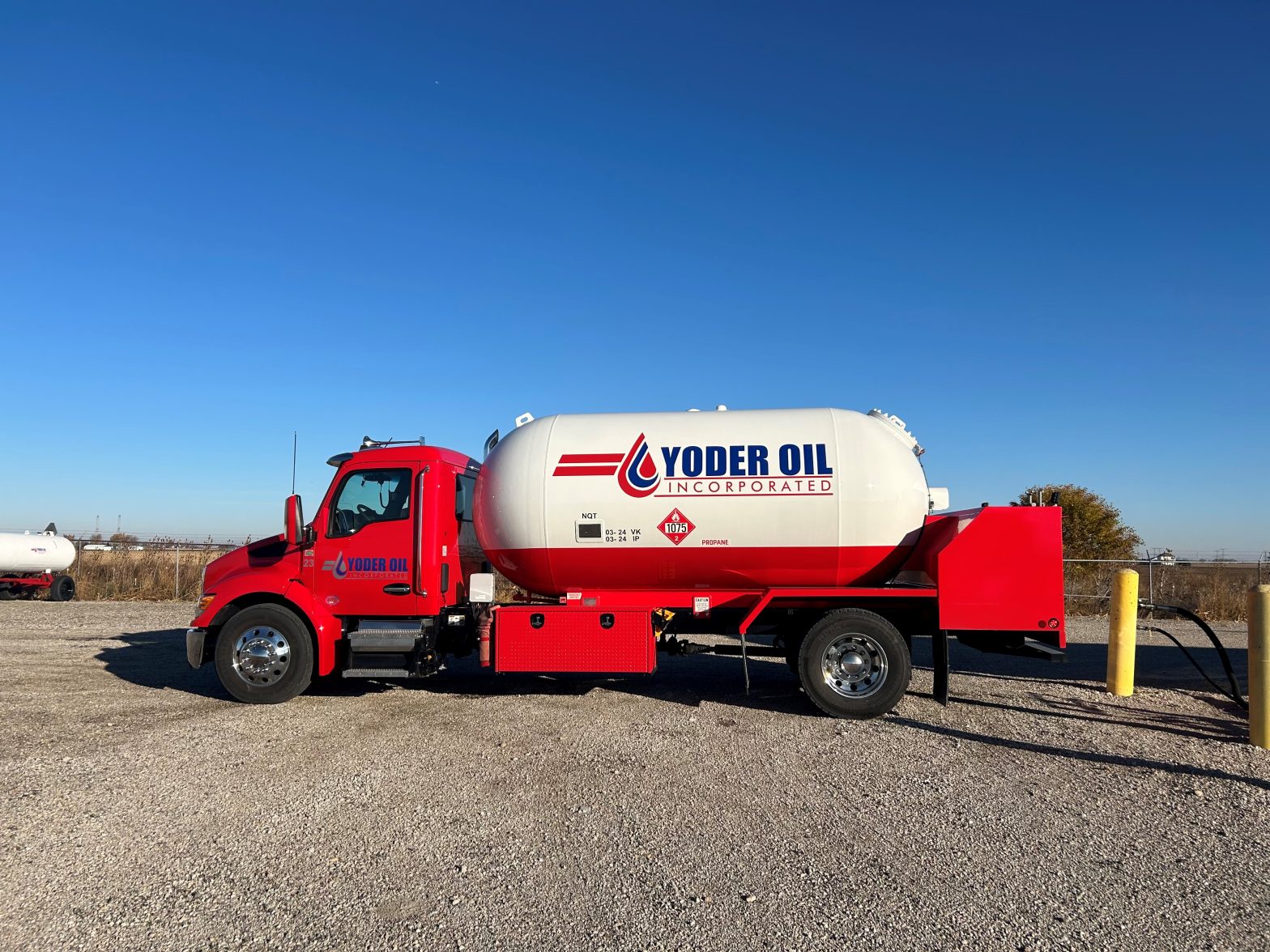
How Does Propane Compare to Other Energy Sources? It's a great energy source for farms across Illinois.

Final Thoughts: Is Propane the Right Choice?

There’s no one-size-fits-all answer when comparing energy sources. Electricity, natural gas, and heating oil each have their place. However, propane stands out for its balance of efficiency, reliability, and versatility — especially in areas where infrastructure or consistency is a concern.

If you’re weighing your options, taking the time to understand how each energy source performs in real-world conditions can help you choose what works best for your property and long-term needs.

If you’re in Illinois researching the topic, “How does propane compare to other energy sources,” contact Yoder Oil at 309-467-2218 to discuss your options.